 Tronscanner
MiCA in Europe: Why Crypto Exchanges Now Share Your Data with Authorities — and How Non-Custodial Wallets Like IronWallet Keep Things Private

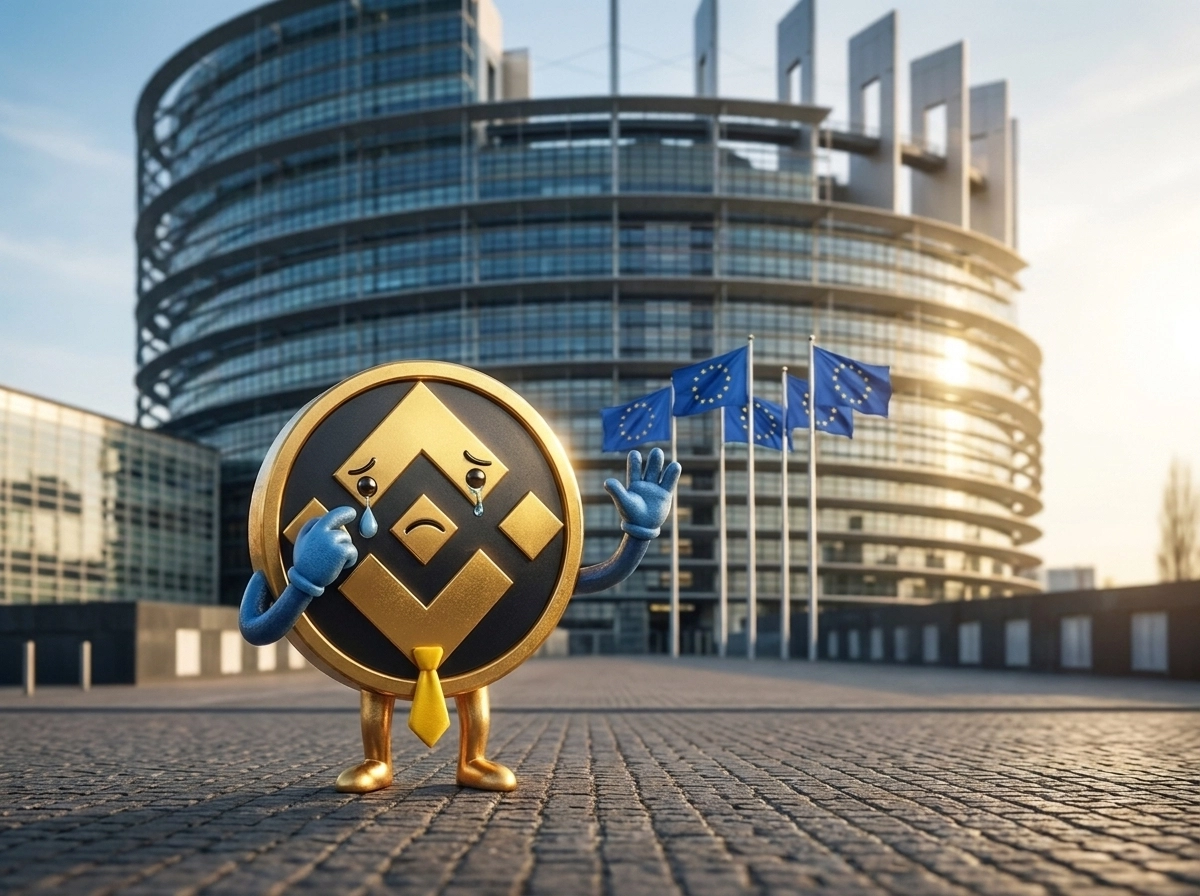
Imagine using a crypto exchange in Europe today. Every time you sign up, trade, or send funds, the platform knows who you are — and so do regulators. That's largely thanks to MiCA (Markets in Crypto-Assets Regulation), the EU's big crypto rulebook that's now in full swing as of 2026.
MiCA kicked off in stages: stablecoin rules started in 2024, the main framework hit at the end of 2024, and by mid-2026 (with deadlines like July 1 in many countries), centralized exchanges and similar services had to get licensed as Crypto-Asset Service Providers (CASPs) or stop operating for EU users.
The big change? Stronger rules against money laundering and crime. Exchanges must follow strict KYC (Know Your Customer) checks — asking for your ID, address, and more. They also apply the Travel Rule (from the Transfer of Funds Regulation), meaning:
- For every crypto transfer (no minimum amount!), they collect and verify details about the sender and receiver.
- They share this info securely with the other platform involved.
- They watch transactions closely and flag anything suspicious.
- Most importantly, they report details directly to financial authorities like national Financial Intelligence Units (FIUs) if something looks off. Authorities can also request your full transaction history, wallet addresses, and personal data anytime for investigations.
Rules against money laundering and crime
This makes crypto on exchanges much more like traditional banking: traceable and reportable. It's great for fighting scams and crime, but it means less privacy — your identity links to your on-chain activity.
What about non-custodial wallets? These are different — and they stay out of the spotlight.
With a non-custodial (or self-custody) wallet, you hold the private keys and control your funds completely. The app or software never takes your money, never holds it for you, and never acts as a middleman. You're sending peer-to-peer straight on the blockchain.
MiCA and related rules clearly say: pure non-custodial wallet providers aren't CASPs. They don't offer custody, trading, or transfer services "on behalf of others." So they skip:
- KYC requirements
- Travel Rule data collection/sharing
- Mandatory reporting to FIUs or other financial authorities
No central company collects or hands over your personal info. Your transactions remain pseudonymous on the blockchain (as always), without forced links to your identity from the wallet side.
IronWallet is a great example of this freedom. It's a fully non-custodial app — your keys stay on your device, IronWallet never touches your funds or needs your ID. It doesn't have to comply with MiCA's licensing or data-sharing rules. You get to use blockchains privately, plus handy features like hidden transactions to block things like dusting attacks.
In short: centralized exchanges trade some privacy for legal access and fiat ramps, sharing data with authorities to stay compliant. Non-custodial options like IronWallet let you keep control and privacy intact — no reports, no forced sharing.
As Europe's rules tighten in 2026, this choice matters more than ever. If you value keeping your crypto life to yourself, self-custody wallets offer a straightforward, regulation-light way forward. Stay safe, stay sovereign!