




Crypto ATMs boom in retail stores as scams spiral out of control
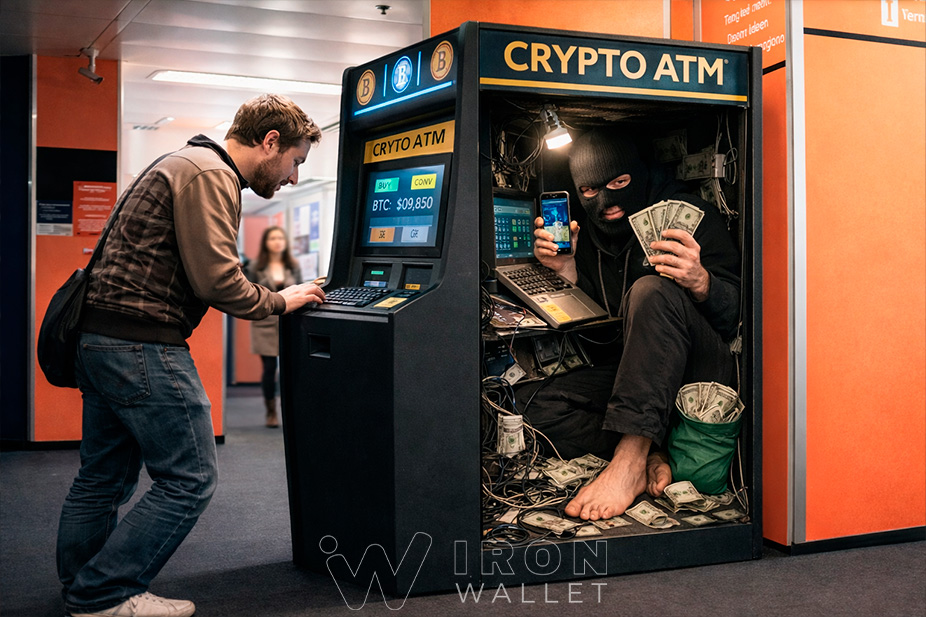
Crypto ATMs have quietly spread across convenience stores, gas stations, and grocery chains in the U.S., promising easy access to digital currency. But as these machines multiply, so do scams—leaving victims devastated while retailers and operators continue to profit.
In December 2024, Steve Beckett, a 66-year-old Indiana resident, lost his life savings at a Circle K convenience store. The crime didn’t involve violence or theft in the traditional sense. Instead, it unfolded through a Bitcoin ATM operated by Bitcoin Depot, installed inside the store through a nationwide partnership with Circle K.
Beckett’s ordeal began at home, when his computer froze and displayed a warning urging him to call what appeared to be Microsoft support. The number connected him to scammers posing as tech support, bank officials, and even representatives of the Federal Reserve. They told Beckett his accounts had been linked to criminal activity and that he could face prison unless he acted immediately.
Terrified, Beckett was instructed to withdraw cash and convert it into bitcoin to “secure” his funds. Over two days, he deposited $7,000 into a Bitcoin Depot ATM, following step-by-step instructions from the scammers over the phone. The money was instantly transferred to wallets controlled by criminals. Bitcoin Depot collected roughly $2,000 in fees from the transactions. Beckett lost everything.
That machine was just one of thousands. Bitcoin Depot operates more than 8,000 crypto ATMs across the U.S., many of them located inside Circle K and Holiday gas stations. As of late 2024, the company reported having machines in about 750 Circle K locations across the U.S. and Canada.
As the number of crypto ATMs has surged—nearing 40,000 worldwide—fraud has exploded alongside them. FBI data shows that nearly 11,000 crypto ATM–related fraud complaints were filed in 2024, almost double the previous year. Reported losses reached $247 million, and by late 2025 had already climbed past $330 million.
Investigations by ICIJ and CNN found that retailers hosting these machines have continued their partnerships despite mounting complaints. Since early 2024, at least 150 victims have reported scams involving Bitcoin Depot machines at Circle K and Holiday locations, with losses exceeding $1.5 million.
Employees inside Circle K stores say the problem is impossible to ignore. Some have described watching customers, often elderly, standing at the machines while being coached by scammers on the phone. In one case, a victim returned with a sledgehammer, trying to break open the ATM to recover lost cash. Despite this, Circle K renewed its contract with Bitcoin Depot in early 2025.
Circle K says its employees receive training to recognize scams but insists the machines are owned and operated by third parties. Bitcoin Depot, for its part, maintains that most customers use its kiosks legitimately and says it invests heavily in compliance tools, scam warnings, and law enforcement cooperation.
Yet former Bitcoin Depot employees paint a bleaker picture. Several said, scams made up a significant share of transactions, and one former worker claimed eliminating scams entirely would seriously damage profits. Court filings from Iowa’s attorney general suggest that more than half of all transactions conducted on Bitcoin Depot machines in the state over a multi-year period were linked to fraud.
Other major crypto ATM operators face similar scrutiny. Investigators in Iowa and Washington, D.C., found that up to 90% of transactions on competing networks were scam-related. Critics argue the machines serve little purpose beyond facilitating fraud and money laundering, especially given transaction fees that can reach 30% or more.
Retailers have started pushing back. In 2024, grocery chain Fareway Stores unplugged all Bitcoin Depot ATMs from its locations, calling them tools of “massive fraud.” Bitcoin Depot sued, and the machines were eventually turned back on after new state laws introduced transaction limits, fee caps, and mandatory refunds for some victims.
Regulators across the U.S. are now stepping in. As of late 2025, at least 18 states have enacted laws aimed at protecting consumers from crypto ATM scams, including daily transaction caps and ID verification requirements.
For victims like Beckett, however, the changes come too late. A minister and volunteer firefighter, he says the money he lost paid for everyday life—mortgages, bills, and family needs. He is now suing Bitcoin Depot, arguing that both the ATM operators and the retailers hosting them should be held accountable.
“I think they know what’s going on,” Beckett said of the stores that host the machines. “They’re making money from it.”
As crypto ATMs continue to spread, the question remains whether convenience and profit will keep outweighing consumer protection—or whether the industry will finally be forced to confront the harm built into its business model.
Disclaimer: This article is a rewritten summary. The original reporting was published by the International Consortium of Investigative Journalists (ICIJ) and is available at https://www.icij.org/