




Bhutan plans to use 10,000 Bitcoin to fund its ambitious Mindfulness City
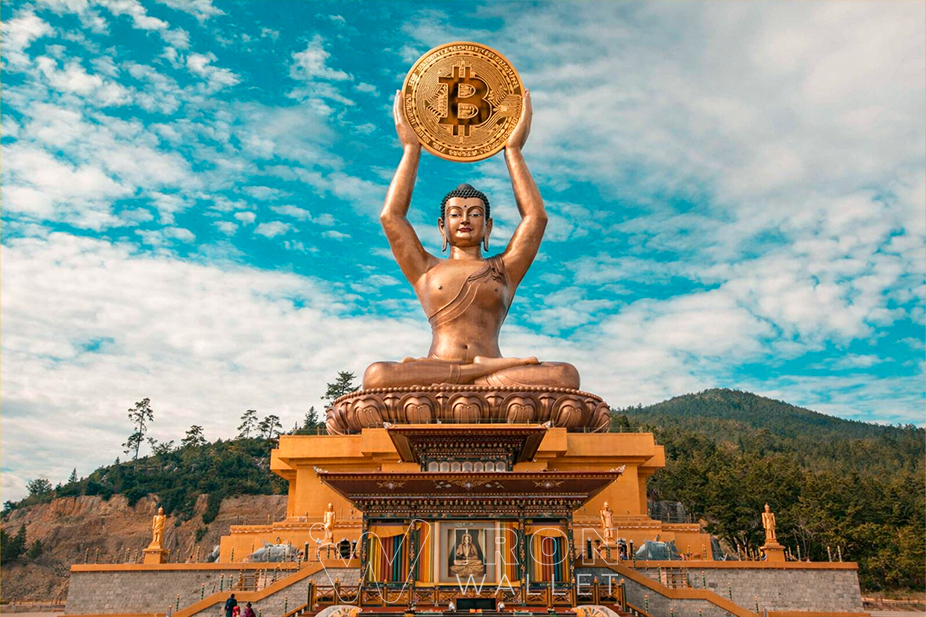
Bhutan is turning to its sizable Bitcoin reserves to help finance one of its most ambitious development projects yet: the Gelephu Mindfulness City (GMC).
The Himalayan kingdom announced that it intends to allocate up to 10,000 Bitcoin from its national holdings to support the construction and long-term development of the special administrative region. The move underscores Bhutan’s growing embrace of digital assets as part of its economic strategy.
Gelephu Mindfulness City, located in southern Bhutan near the Indian border, was officially launched in 2024. The project is designed to serve as a new economic hub aimed at curbing youth emigration by creating high-value jobs at home. The city is expected to attract businesses across sectors such as finance, tourism, renewable energy, technology, healthcare, and agriculture.
Covering roughly 1,544 square miles—about 10% of Bhutan’s total land area—GMC offers regulatory flexibility for crypto and fintech companies. It is also intended to support and expand Bhutan’s Bitcoin mining initiatives, which have been quietly growing in recent years.
How Bhutan plans to use its Bitcoin reserves
Officials said the Bitcoin allocation, valued at approximately $875 million, will be managed through a mix of carefully structured strategies. These include long-term holding plans, treasury management approaches, and yield-generating mechanisms designed to minimize risk while preserving value.
The government emphasized that Bitcoin’s role in the project will be guided by strict governance principles, transparency, and a focus on capital preservation. “Bitcoin’s enduring strength lies in its ability to compound value over time,” the statement said, adding that development will proceed in a stable and sustainable manner.
Bhutan is estimated to hold around 11,286 Bitcoin in total, according to data from Bitbo. At current prices, that stash is worth more than $986 million, placing the country among the top five known national Bitcoin holders worldwide. Most of these holdings were accumulated through state-backed Bitcoin mining operations.
Bitcoin at the heart of Bhutan’s economic vision
The decision to fund GMC using Bitcoin is part of Bhutan’s broader Bitcoin Development Pledge, a national strategy aimed at leveraging digital assets and mining to support long-term economic growth.
King Jigme Khesar Namgyel Wangchuck has stressed that the project is meant to benefit all Bhutanese citizens, not just those living near the new city. The country’s population stands at just under 800,000.
“To ensure shared prosperity, we are developing a new land policy that protects landowners and prevents inequality,” the king said. He likened the project to a company in which landowners act as shareholders, noting that since much of the land is state-owned, citizens across all regions will share in the city’s success.
A master plan and legal framework for the Gelephu Mindfulness City have already been released. Authorities have appointed a governor and board of directors, and construction work is underway to prepare the site.
The region already supports crypto-based payments across merchants and tourism services and has launched TER, a sovereign-backed digital token linked to physical gold. Envisioned as an economic corridor connecting South and Southeast Asia, GMC will operate with a high degree of executive autonomy and legal independence. Development is expected to roll out in phases over the next two decades.